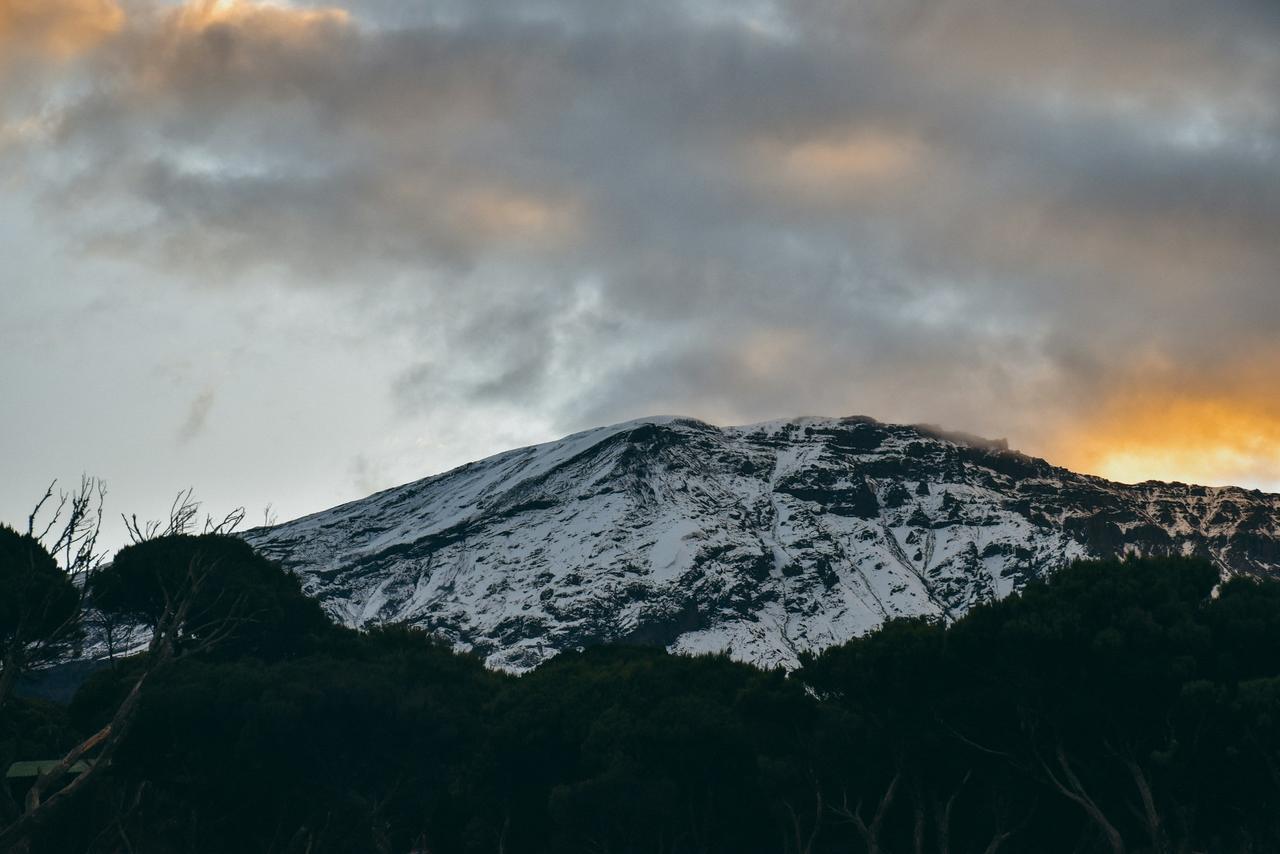
Best time to climb Kilimanjaro: Two dry seasons, one right month for you
The best time to climb Kilimanjaro is in one of its two dry seasons: late June to October, the most reliable, or January to early March, the warmest. You can climb in every month, but the long rains of April and May and the short rains of November bring mud, cloud and snow up high.
Photo: Yoad Shejtman / Unsplash
- Jun–Octlong dry season
- Jan–Marshort dry season
- −10 °Con the summit at dawn
- 12 hof daylight, all year round
The short answer: The best month depends on what you want
Every month has a trade-off between weather, cold and how many people share the trail. These are the clearest picks.
- Most reliable weather
August & September
The heart of the long dry season: the driest months of the year, clear mornings and firm, dusty trails. The nights at camp are the coolest of the year, and the camps are full.
- Warmest days
January & February
The short dry season: the warmest days and nights at every camp, clear mornings and often fresh snow on the crater rim. An afternoon shower is part of the deal.
- Good weather, fewer climbers
June & October
The edges of the long dry season: mostly dry, with fewer groups than in July and August. Early June can still carry the last showers of the long rains.
- Christmas & New Year
Late December
The short rains usually fade during December. Expect festive summits, a busy trail and a sunrise on 1 January that many climbers plan a year ahead.
- In the rainy months
April, May & November
Possible, with full rain gear and a flexible mind. The drier north side or the huts of Marangu make the wet months easier.
The year at a glance: Kilimanjaro month by month
Rain, temperature and crowds through the year, at the foot of the mountain and on the summit. At the foot, April brings about 132 mm of rain and July almost none. The forest belt higher up gets about five times as much rain, in the same months.
| Jan | Feb | Mar | Apr | May | Jun | Jul | Aug | Sep | Oct | Nov | Dec | |
|---|---|---|---|---|---|---|---|---|---|---|---|---|
| Climbing conditions | Excellent | Excellent | Good | Poor | Poor | Very good | Excellent | Excellent | Excellent | Very good | Fair | Good |
| Season | Dry | Dry | Shoulder | Long rains | Long rains | Dry | Dry | Dry | Dry | Dry | Short rains | Shoulder |
| At the foot, 891 m | ||||||||||||
| Rainmm | 43 | 39 | 94 | 132 | 73 | 9 | 4 | 6 | 5 | 25 | 51 | 45 |
| Rainy days | 4 | 3 | 6 | 12 | 9 | 2 | 1 | 1 | 1 | 3 | 5 | 4 |
| Day°C | 33 | 34 | 33 | 30 | 27 | 26 | 26 | 27 | 30 | 31 | 32 | 32 |
| Night°C | 19 | 19 | 20 | 20 | 19 | 16 | 15 | 15 | 16 | 18 | 19 | 19 |
| Summit night and day | ||||||||||||
| High camp, midnight | ||||||||||||
| Summit, night | ||||||||||||
| Summit, dawn°C | −9.4 | −9.4 | −8.9 | −8.5 | −8.8 | −9.8 | −9.8 | −9.7 | −9.8 | −9.4 | −8.9 | −8.9 |
| Summit, midday°C | −0.6 | −1.2 | −1.2 | −0.4 | −0.2 | −1.8 | −2.3 | −2.2 | −2.2 | −1.5 | −0.9 | −0.5 |
| On the trail | ||||||||||||
| Climbers on the trail | Busy | Busy | Few | Very few | Very few | Moderate | Peak | Peak | Busy | Moderate | Few | Busy |
Long-term averages: real years vary, and rain can fall in any month. At the foot: Kilimanjaro Airport, 891 m. Summit: weather stations at about 5,803 m; the coldest moment is just before sunrise. High camp: our estimate. All air temperatures, before wind chill. Climbers on the trail: our estimate from the park’s visitor seasons.
Why two dry seasons: Rain follows the sun
Kilimanjaro lies just south of the equator, so it has no summer or winter. It has two dry seasons and two rainy ones instead, and the sun decides when they come.
Twice a year the midday sun stands straight over the mountain: around March 13 and again around October 2. Under it, warm air rises and builds rain clouds, and that band of rain moves with the sun. It reaches Kilimanjaro a few weeks after the sun does.
That gives the long rains, masika in Swahili, from late March to May, and the short rains, vuli, in November and early December. In between, the rain band is far to the north or south, dry winds blow in from the Indian Ocean, and the mountain has its two dry seasons.
Month by month: Twelve months, twelve honest verdicts
What each month is usually like on the mountain, who it suits and what to plan for.
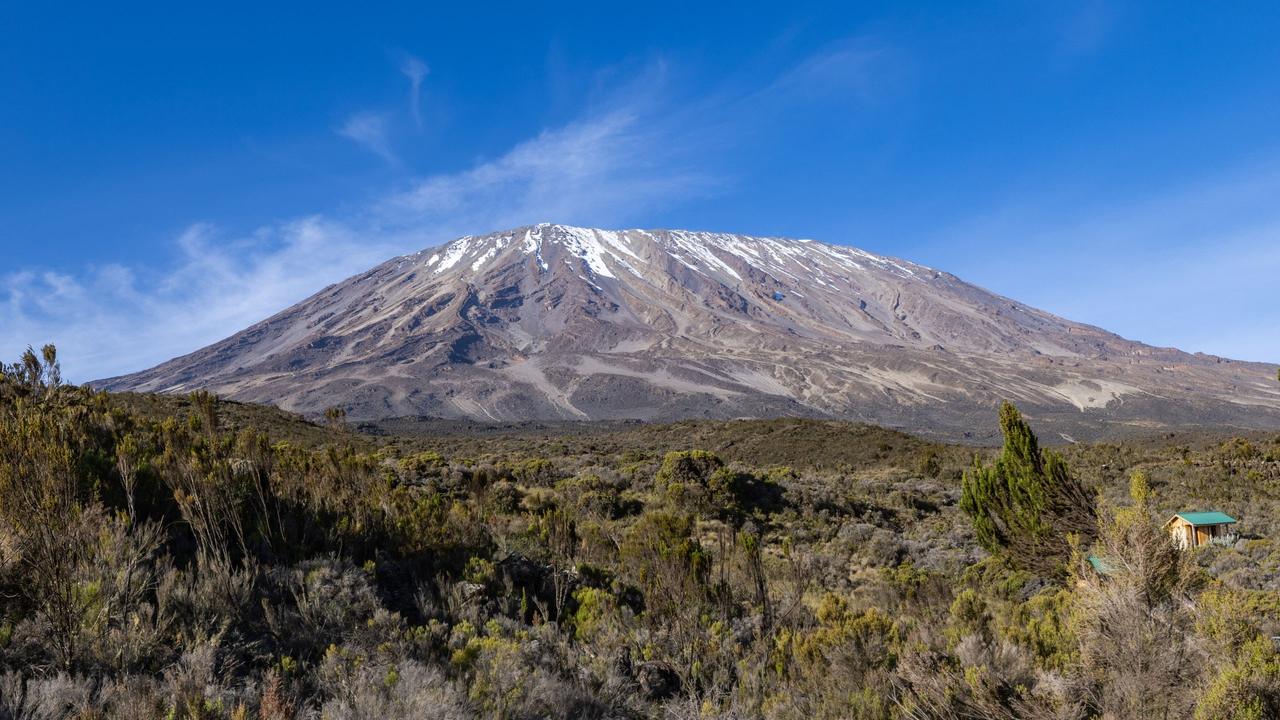
Photo: Balazs Simon / Pexels
January
ExcellentWarm, clear and busy around New Year
One of the best months of the year. Days are warm and mostly clear, nights at camp are among the mildest of the year, and a dusting of snow often lies on the crater rim. The first week is busy with New Year climbers.
- Rain
- 43 mm
- Summit at dawn
- −9.4 °C
- Climbers
- Busy
Climbers who want milder nights at camp and good views.
Full moon: Fri, Jan 22, 2027
February
ExcellentThe short dry season at its best
Warm, clear and photogenic before the rains return. Afternoon clouds can build over the forest, but the high mountain usually stays open. A favourite month for a first climb.
- Rain
- 39 mm
- Summit at dawn
- −9.4 °C
- Climbers
- Busy
Anyone with the choice: often the most pleasant month of all.
Full moon: Sun, Feb 21, 2027
March
GoodA gamble that often pays off early
The first half of March is often still dry and noticeably less busy. Cloud builds through the month, and in most years the long rains arrive in the last week or two, a little earlier than they used to.
- Rain
- 94 mm
- Summit at dawn
- −8.9 °C
- Climbers
- Few
Flexible climbers who can go in the first half of the month.
Full moon: Mon, Mar 22, 2027
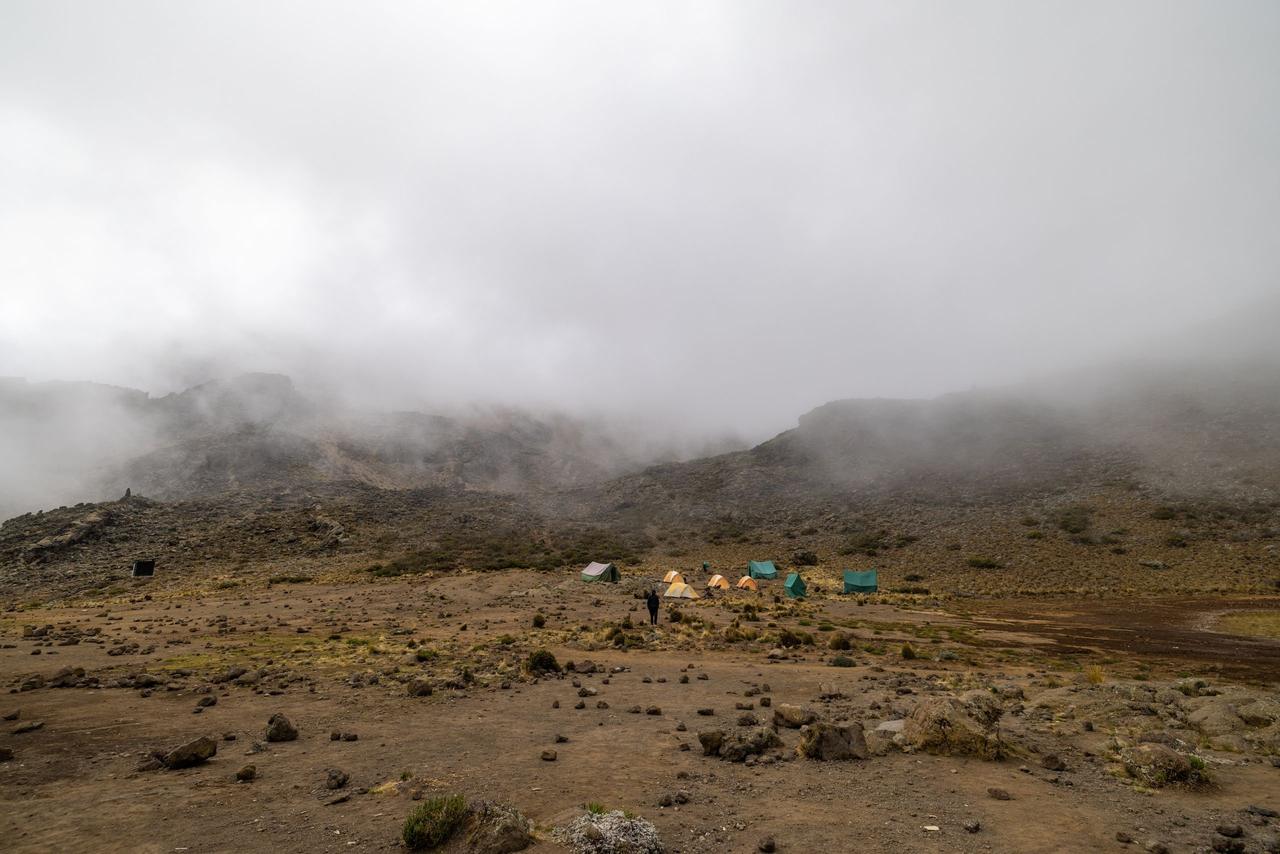
Photo: Balazs Simon / Pexels
April
PoorThe wettest month of the year
Heavy, often daily rain in the forest, cloud over the upper mountain and fresh snow higher up. Trails turn to mud and views are rare. Some operators run no climbs at all this month.
- Rain
- 132 mm
- Summit at dawn
- −8.5 °C
- Climbers
- Very few
Experienced trekkers with good rain gear who accept wet days.
Full moon: Wed, Apr 21, 2027
May
PoorRain easing towards June
Still in the long rains, with wet forest trails and cloud, but the rain usually eases in the last weeks of the month. Nights at camp turn cooler as the dry season approaches.
- Rain
- 73 mm
- Summit at dawn
- −8.8 °C
- Climbers
- Very few
Climbers who put fewer people above the weather.
Full moon: Thu, May 20, 2027
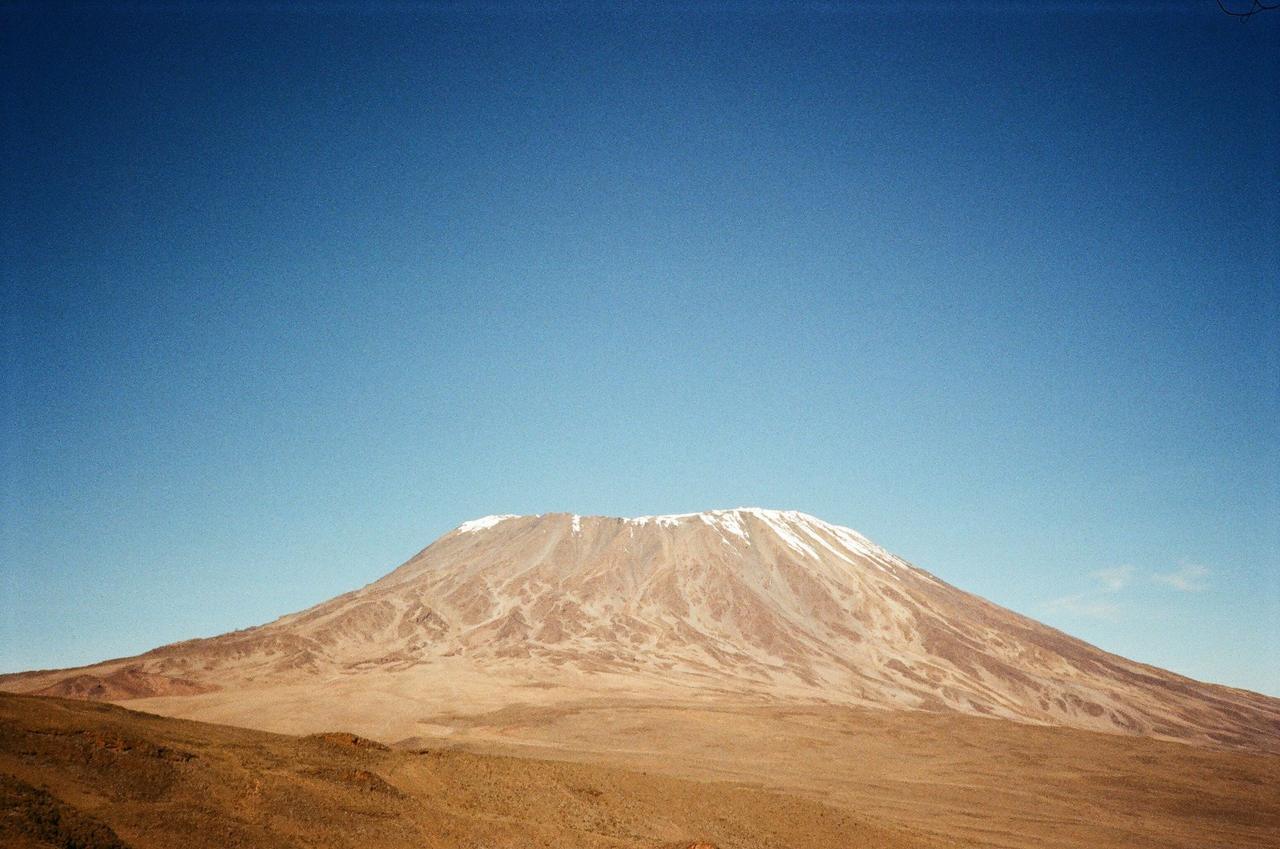
Photo: Marina Zvada / Pexels
June
Very goodThe long dry season begins
Skies clear, the forest dries out and the crowds have not yet arrived. Nights at camp get cooler than in January, and early June can still bring the last showers of the long rains.
- Rain
- 9 mm
- Summit at dawn
- −9.8 °C
- Climbers
- Moderate
Climbers who want dry trails before the July rush.
Full moon: Sat, Jun 19, 2027
July
ExcellentPeak season: dry, clear and cool
Reliably dry and clear on the mountain, with the coolest nights of the year at camp, while the plains below are often grey. The northern summer holidays make it one of the busiest months: book early and expect full camps.
- Rain
- 4 mm
- Summit at dawn
- −9.8 °C
- Climbers
- Peak
Climbers tied to summer holidays who book well ahead.
Full moon: Sun, Jul 18, 2027
August
ExcellentThe driest, busiest month
Among the driest and most reliable months, with long views from the Shira Plateau to Mawenzi. Summit night feels bitter in a wind. The trails are at their busiest.
- Rain
- 6 mm
- Summit at dawn
- −9.7 °C
- Climbers
- Peak
Anyone who wants the most dependable weather and doesn’t mind company.
Full moon: Tue, Aug 17, 2027
September
ExcellentPeak weather, fewer climbers
Weather as good as August with fewer groups once the European holidays end. Days are pleasant and the nights a little less cold. Many guides name it their favourite month.
- Rain
- 5 mm
- Summit at dawn
- −9.8 °C
- Climbers
- Busy
Climbers who want peak weather with fewer people.
Full moon: Thu, Sep 16, 2027
October
Very goodStill dry, with the odd shower
Mostly dry and pleasant, with fewer climbers than in the peak months. Clouds build more often in the afternoon, and a shower can creep in towards the end of the month.
- Rain
- 25 mm
- Summit at dawn
- −9.4 °C
- Climbers
- Moderate
Climbers looking for a good month outside the main holidays.
Full moon: Mon, Oct 26, 2026
November
FairThe short rains
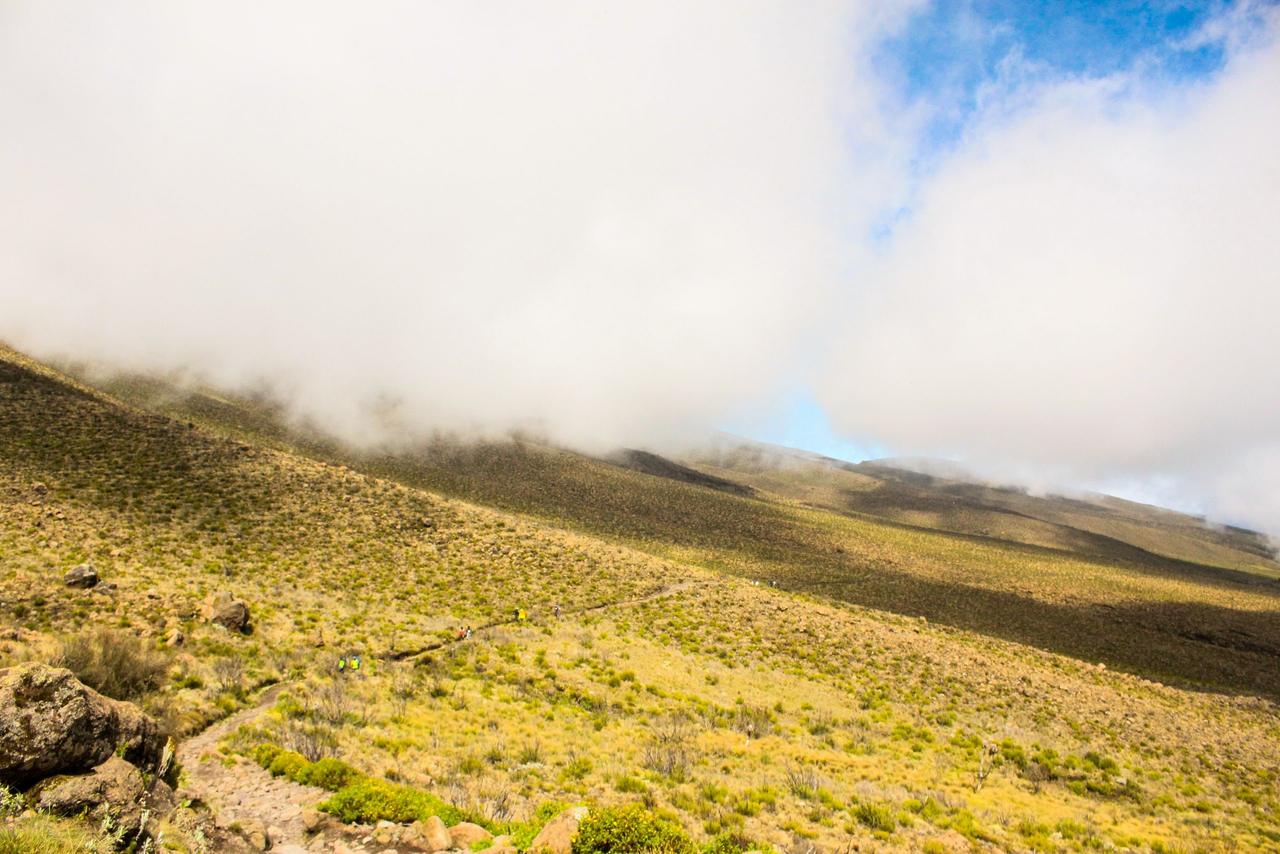
Showers come most afternoons and cloud often hides the summit from below, but the rain is lighter and shorter than in April. The slopes turn green and the trails hold far fewer groups.
- Rain
- 51 mm
- Summit at dawn
- −8.9 °C
- Climbers
- Few
Climbers who can live with wet afternoons for fewer people.
Full moon: Tue, Nov 24, 2026
December
GoodRains fading, holidays arriving
The short rains usually fade during the first half of the month. From Christmas on, the mountain fills with holiday climbers aiming for a New Year’s sunrise on Uhuru Peak.
- Rain
- 45 mm
- Summit at dawn
- −8.9 °C
- Climbers
- Busy
Holiday climbers who book early; later in the month is drier.
Full moon: Thu, Dec 24, 2026
Weather by altitude: From the tropics to the Arctic in a week
The month sets the weather, but the altitude sets the temperature: about 6 °C colder with every 1,000 m. Every climb crosses five climate zones, from over 30 °C at the foot of the mountain to frost every night on the summit.
| Zone | January: night and dayFebruary: night and dayMarch: night and dayApril: night and dayMay: night and dayJune: night and dayJuly: night and dayAugust: night and daySeptember: night and dayOctober: night and dayNovember: night and dayDecember: night and day |
|---|---|
| Arctic summitAt 5,803 m5,000–5,895 m | Night −9 °CDay −1 °CNight −9 °CDay −1 °CNight −9 °CDay −1 °CNight −9 °CDay 0 °CNight −9 °CDay 0 °CNight −10 °CDay −2 °CNight −10 °CDay −2 °CNight −10 °CDay −2 °CNight −10 °CDay −2 °CNight −9 °CDay −2 °CNight −9 °CDay −1 °CNight −9 °CDay −1 °C |
| Alpine desertAt 4,650 m4,000–5,000 m | Night −2 °CDay 7 °CNight −2 °CDay 7 °CNight −1 °CDay 6 °CNight −1 °CDay 6 °CNight −2 °CDay 6 °CNight −3 °CDay 4 °CNight −3 °CDay 4 °CNight −3 °CDay 4 °CNight −3 °CDay 5 °CNight −2 °CDay 6 °CNight −2 °CDay 6 °CNight −2 °CDay 7 °C |
| Heath & moorlandAt 3,630 m2,800–4,000 m | Night 4 °CDay 15 °CNight 4 °CDay 15 °CNight 4 °CDay 14 °CNight 5 °CDay 14 °CNight 4 °CDay 13 °CNight 2 °CDay 11 °CNight 2 °CDay 11 °CNight 2 °CDay 12 °CNight 2 °CDay 13 °CNight 3 °CDay 14 °CNight 4 °CDay 14 °CNight 4 °CDay 15 °C |
| Montane rainforestAt 2,340 m1,800–2,800 m | Night 9 °CDay 17 °CNight 9 °CDay 17 °CNight 10 °CDay 17 °CNight 10 °CDay 15 °CNight 9 °CDay 13 °CNight 7 °CDay 12 °CNight 6 °CDay 12 °CNight 6 °CDay 13 °CNight 7 °CDay 14 °CNight 8 °CDay 16 °CNight 9 °CDay 16 °CNight 9 °CDay 17 °C |
| Farmland & lower slopesAt the foot, 891 m800–1,800 m | Night 19 °CDay 33 °CNight 19 °CDay 34 °CNight 20 °CDay 33 °CNight 20 °CDay 30 °CNight 19 °CDay 27 °CNight 16 °CDay 26 °CNight 15 °CDay 26 °CNight 15 °CDay 27 °CNight 16 °CDay 30 °CNight 18 °CDay 31 °CNight 19 °CDay 32 °CNight 19 °CDay 32 °C |
Typical air temperatures, night low and day high: measured by weather stations from the foot to the summit, estimated between them. Clear, calm nights on open ground can be a few degrees colder, and wind on summit night makes −10 °C feel like −16 °C to −20 °C.
The five climate zones, from rainforest to iceRain by altitude
Most rain falls in the forest, peaking at about 2,700 mm a year around 2,200 m on the southern slopes that face the Indian Ocean winds. Above the clouds it gets drier with every step: the alpine desert and the summit get a fraction of it, mostly as snow. The northern slopes lie in the mountain’s rain shadow and are drier than the southern ones.
Cloud usually builds over the forest from late morning and stops below the crater rim, so the upper mountain often rises above a sea of cloud.
Crowds: When everyone goes
About 69,000 people climb Kilimanjaro every year. The park’s own counts show 78% of them come in the two dry seasons: about 10% of the year’s climbers in each dry month, against about 5.5% in a rainy one. Holidays decide which dry months fill up first.
Busiest
Northern summer holidays and the Christmas to New Year weeks. The popular southern camps are full, and summit night starts in long lines of headlamps.
Busy
Excellent weather draws steady numbers, but with noticeably fewer climbers than at the peaks.
Fewer climbers
The shoulders of the dry seasons: good chances of fine weather, with fewer groups in the camps.
Far fewer climbers
The rainy months. Fewer groups on every route, and some operators pause their departures.
The route matters as much as the month: Machame and Marangu carry most climbers all year.Compare the routes
Full moon: Summit night by moonlight
Summit night starts around midnight. With a full moon you climb the last 1,200 m in silver light, often without a headlamp, and watch the glaciers glow before sunrise. These are the next full moons, in Tanzanian time, with the day to start for a summit morning on the full moon.
| Full moon (summit morning) | Season | Start a 7-day route | Start an 8-day route |
|---|---|---|---|
| Dry | Oct 21 | Oct 20 | |
| Short rains | Nov 19 | Nov 18 | |
| Shoulder | Dec 19 | Dec 18 | |
| Dry | Jan 17 | Jan 16 | |
| Dry | Feb 16 | Feb 15 | |
| Shoulder | Mar 17 | Mar 16 | |
| Long rains | Apr 16 | Apr 15 | |
| Long rains | May 15 | May 14 | |
| Dry | Jun 14 | Jun 13 | |
| Dry | Jul 13 | Jul 12 | |
| Dry | Aug 12 | Aug 11 | |
| Dry | Sep 11 | Sep 10 | |
| Dry | Oct 10 | Oct 9 |
A 7-day route (Machame, Rongai) summits on day 6; an 8-day Lemosho on day 7. The nights just before and after a full moon are almost as bright. Full-moon dates are popular, so the trail is busier and the stars are fainter.
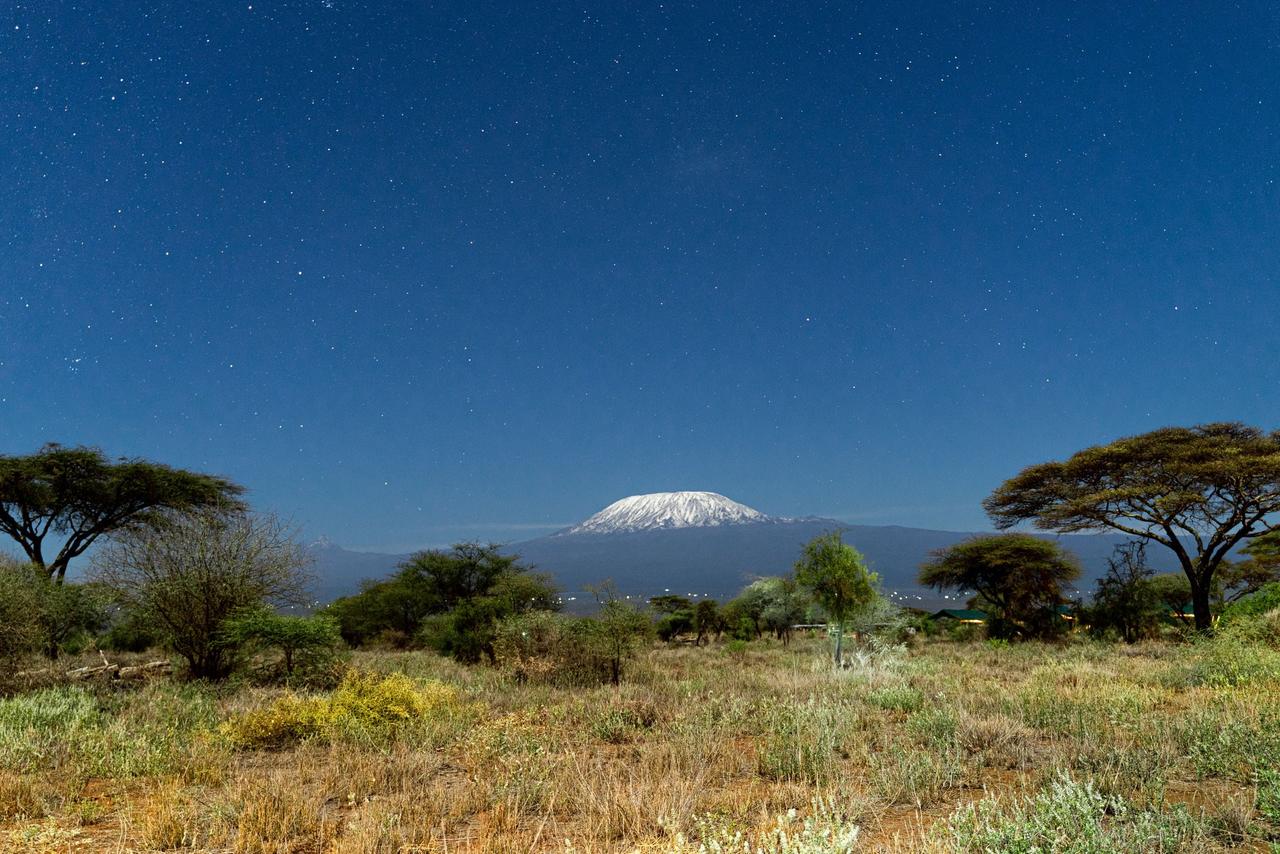
Photo: Ken Mwaura / Pexels
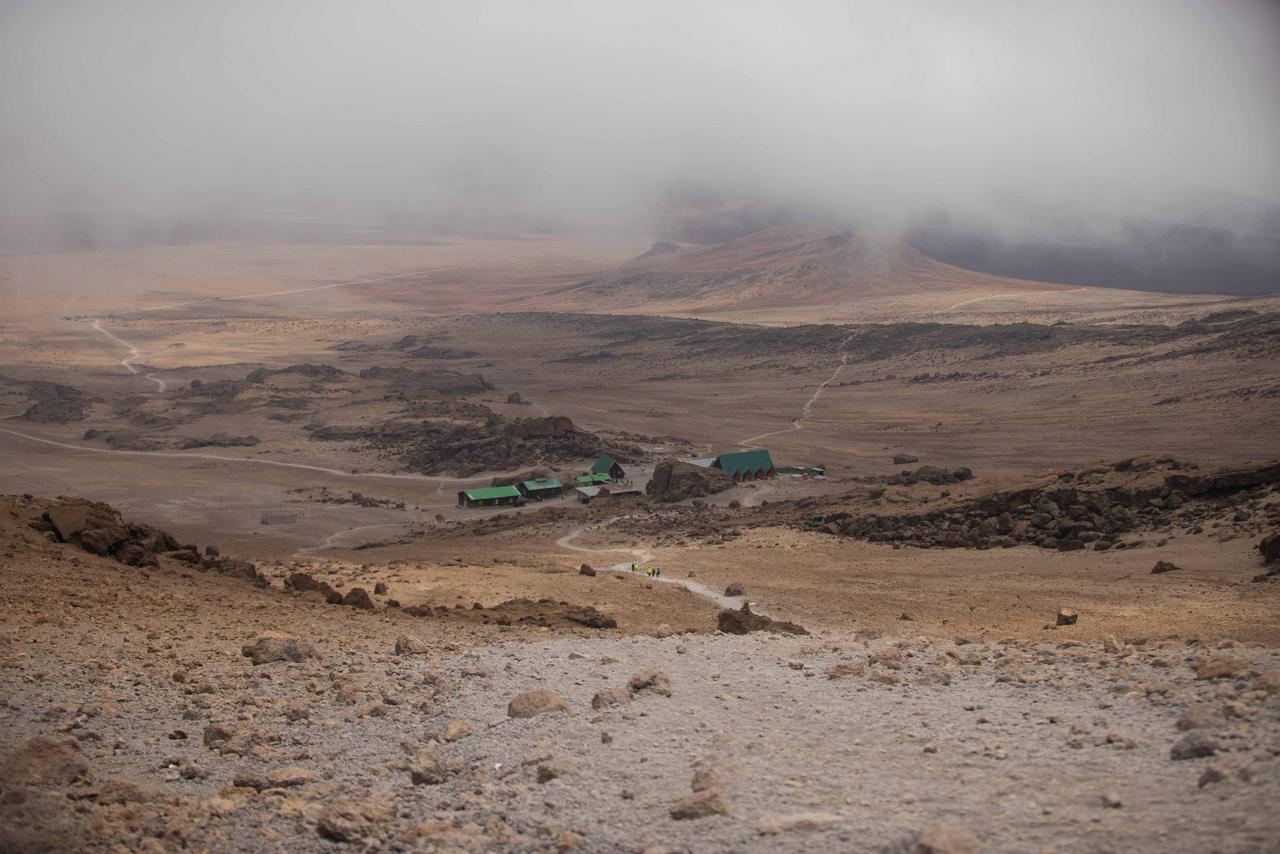
Photo: Penfran Tanzania / Pexels
Climbing in the rainy season: Wet months, the right route
Climbing in April, May or November is possible. The forest turns muddy, cloud hides the views more often and fresh snow can cover the summit, but you share the trail with far fewer people. The route makes the biggest difference.
Rongai7 days
The drier north side
Rongai starts on the northern slopes, in the rain shadow of the mountain. Drier is not dry, though: rain still falls in the wet months, and the way down crosses the wetter south-east forest.
Marangu6 days
A roof every night
Marangu is the only route with huts: you sleep under a roof and eat in a dining hall, which makes wet days far easier to bear. It gains height fast, so take the extra day.
What changes in the rains
- Waterproof jacket and trousers, gaiters and covers for your pack, plus dry bags inside it.
- Forest trails turn slippery: trekking poles help on the steep descents.
- Fresh snow up high can make the crater rim icy; your guide decides on microspikes.
- Views come in short windows, usually early in the morning.
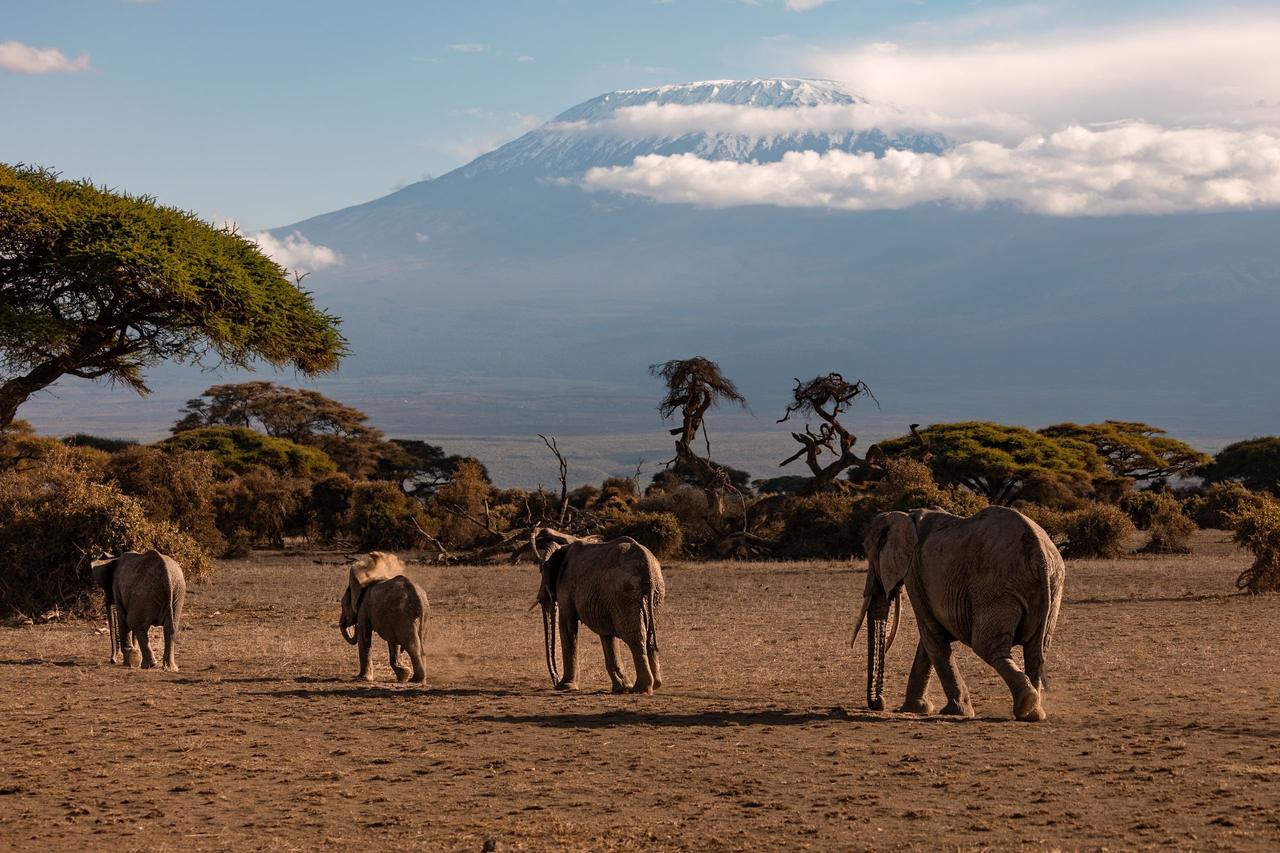
Photo: Kévin et Laurianne Langlais / Pexels
Before or after the climb: Climb, then safari or beach
Most climbers add a safari or a few days on Zanzibar. The dry seasons suit both: the parks are at their best when the grass is short and the animals gather near water.
Great Migration, calving
January–March
The herds give birth on the short-grass plains of the southern Serengeti and Ngorongoro: a perfect match for a climb in the short dry season.
Great Migration, river crossings
July–October
The herds cross the Mara River in the far north of the Serengeti, right in the long dry season.
Zanzibar beaches
June–October, December–February
The island shares the mainland’s dry seasons. It is very wet in April and May.
Questions: Best time to climb, answered
What is the best month to climb Kilimanjaro?
August and September have the most reliable weather: they are the driest months, with clear mornings. January and February come close, with warmer days. All four are popular, so book early; June and October give good weather with fewer climbers.
What is the worst month to climb Kilimanjaro?
April. It is the wettest month of the year, with heavy rain in the forest, cloud over the upper mountain and fresh snow higher up. May is almost as wet. The mountain stays open and a few people climb, but views are rare and the trails are muddy.
Can you climb Kilimanjaro in the rainy season?
Yes. The park is open all year and climbs run in every month. In the rains, many climbers pick Rongai, which starts on the drier north side, or Marangu, where you sleep in huts. Pack full rain gear and expect fewer views and far fewer people.
How cold is it on the summit?
Summit night starts at about −1 to −2 °C when you leave high camp around midnight. Near the top it is about −8 °C through the night and about −10 °C at dawn, the coldest moment, in every month of the year; the midday high stays just below freezing. Wind makes it feel like −16 °C to −20 °C.
Is there snow on Kilimanjaro all year?
The glaciers on the summit plateau are there all year, though they shrink every year. Fresh snow falls mainly in the rainy seasons, but a snowfall can come in any month, and January and February often bring a dusting on the crater rim.
When are there fewer climbers on Kilimanjaro?
In the rainy months, April, May and November, when far fewer groups climb. With good weather, the shoulder months of March, June and October have fewer climbers than the peak months of July, August and late December.
Can I summit Kilimanjaro on New Year’s Day?
Yes, and it is one of the most popular dates of the year. By late December the short rains have usually faded. Book months ahead, and count back from 1 January: on a 7-day route you start on 27 December.
When are the full moons for a Kilimanjaro climb?
The next full moons in Tanzanian time are listed in the table above, with the day to start a 7- or 8-day route so that you reach the summit on the full-moon morning. The nights just before and after are almost as bright.
Does the month affect my chance of reaching the summit?
Less than the number of days does. Altitude, not weather, stops most climbers, so an extra day to acclimatize helps in every month. Rain, snow and cold make the climb harder in the wet months, and the park publishes no summit figures by month.
How much daylight is there on Kilimanjaro?
About 12 hours in every month: the sun rises between 6:08 AM–6:39 AM and sets between 6:21 PM–6:51 PM, all year round. On summit night you start in the dark around midnight and reach the crater rim around sunrise.
Sources
Updated
Months show usual conditions; real years vary. At the foot: Kilimanjaro International Airport (891 m), averages 1991–2020. Summit: a weather station at 5,803 m on Kibo, 2012–2015, air temperatures before wind chill. On the slopes: weather stations from the forest to the summit, 2004–2006; camp temperatures are estimated between them. Rain by altitude: the southern slopes. Climbers on the trail: our estimate from the park’s visitor counts by season; the park publishes no figures by month. Climbing conditions: the editorial rating of this guide.
- Climate and rainfall
- NOAA / WMO climate normals 1991–2020, Kilimanjaro International Airport (via Wikipedia: Moshi, Tanzania)
- Duane, Pepin, Losleben & Hardy (2008), Arctic, Antarctic, and Alpine Research 40(2): hourly temperatures from the forest at 2,340 m to the summit at 5,800 m
- Summit weather
- Pepin et al., Kilimanjaro temperature transect, station Machame 10 at 5,803 m, 2012–2015 (CEDA)
- Mölg et al. (2020), Earth System Dynamics 11: summit weather, wind, cloud and snow on Kibo
- Rain by altitude
- Hemp (2006), African Journal of Ecology 44: vegetation of Kilimanjaro and rainfall on the southern slopes
- Hemp (2006), Plant Ecology 184: vegetation and rainfall of Kilimanjaro
- Otte et al. (2017), Hydrological Processes: rain, fog and temperature on the KiLi plots
- Sierra Cornejo et al. (2021), Oecologia 195: forest plots from 1,800 to 3,900 m, with their temperature and rainfall
- Full moons
- US Naval Observatory: phases of the moon