Plan your Kilimanjaro climb: From first idea to the summit
A Kilimanjaro climb takes about a week on the mountain and a few months of planning at home. Choose a season, a route and enough days, book a licensed operator three to six months ahead, train for 8 to 16 weeks, and learn the signs of altitude sickness before you go. These eight guides take you through it, step by step.
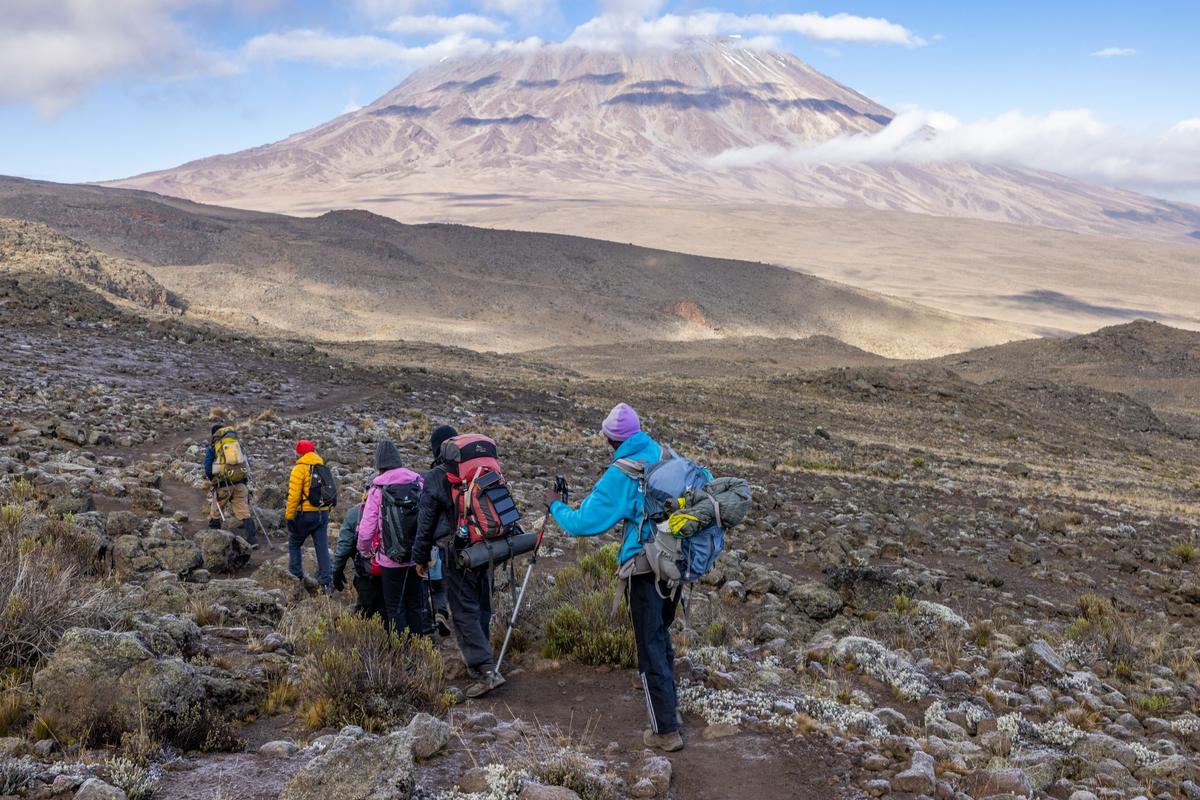
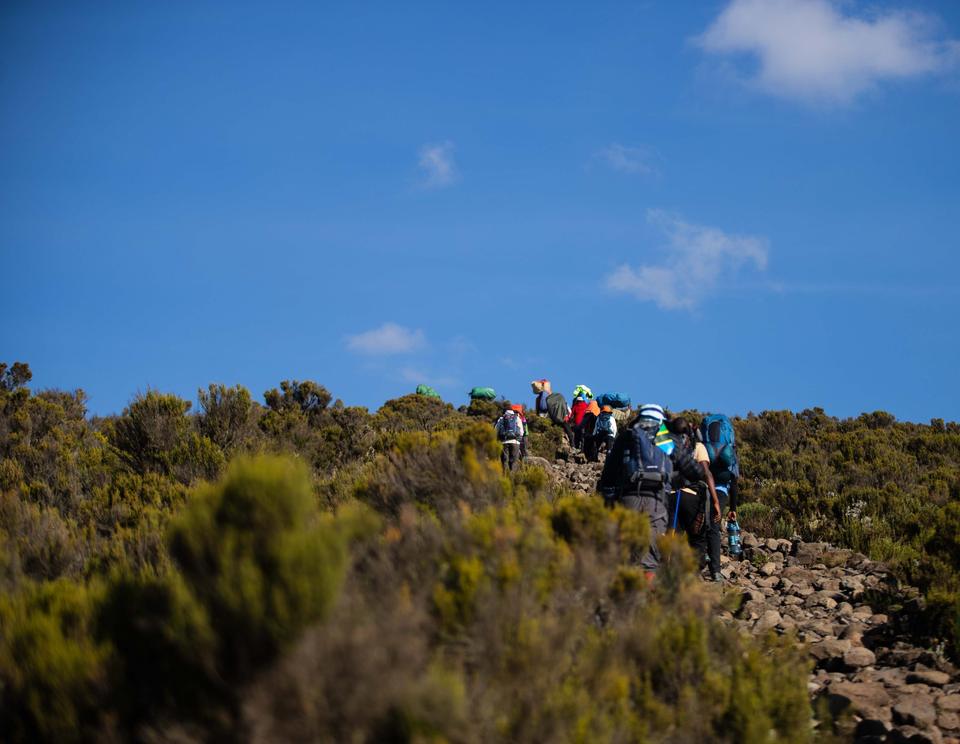
Photo: Balazs Simon / Pexels
The guides: Eight guides, one climb
In the order you will need them: from choosing your dates to the farewell with your crew on the last day.
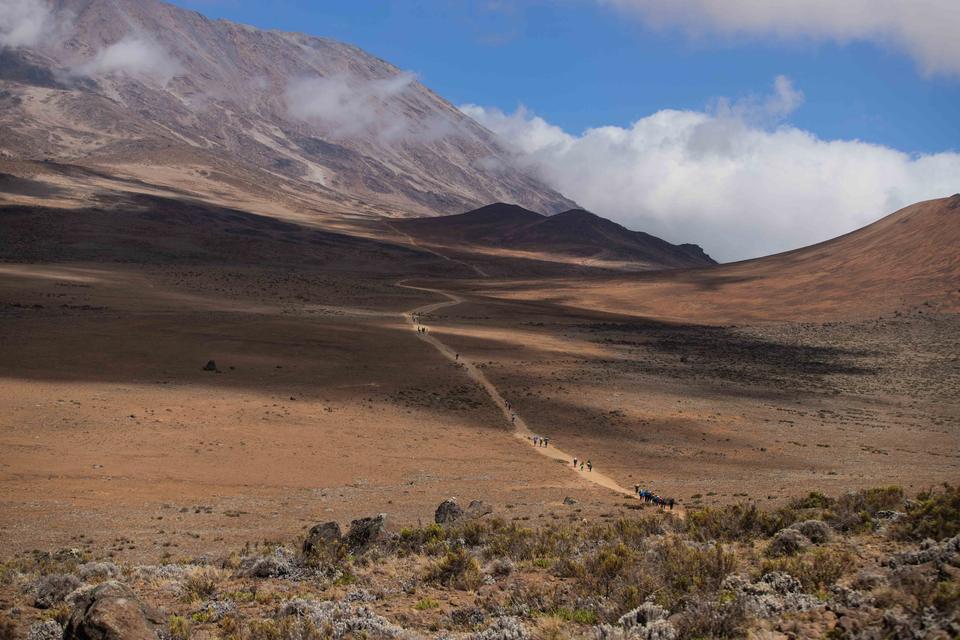
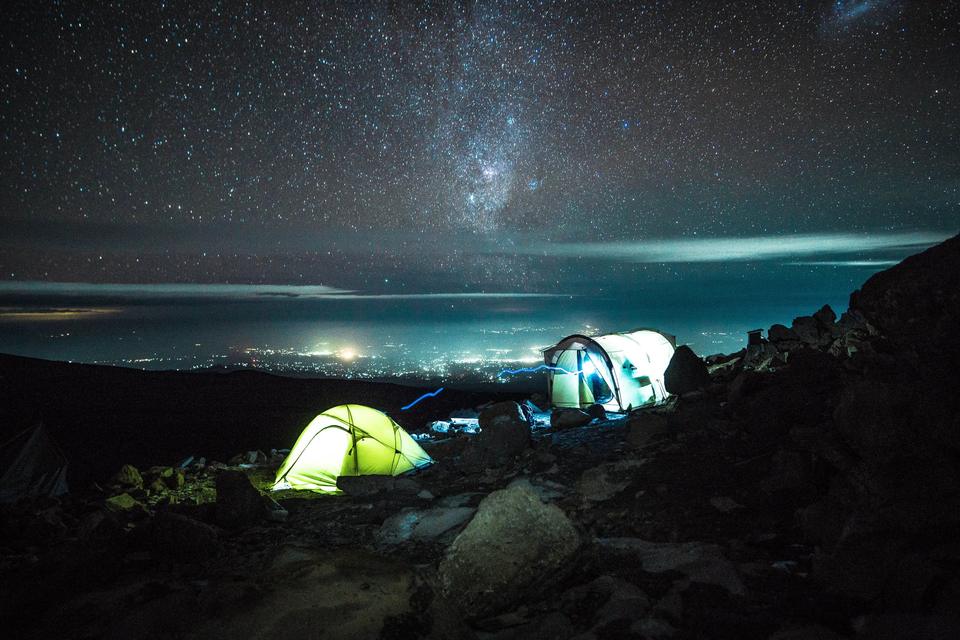
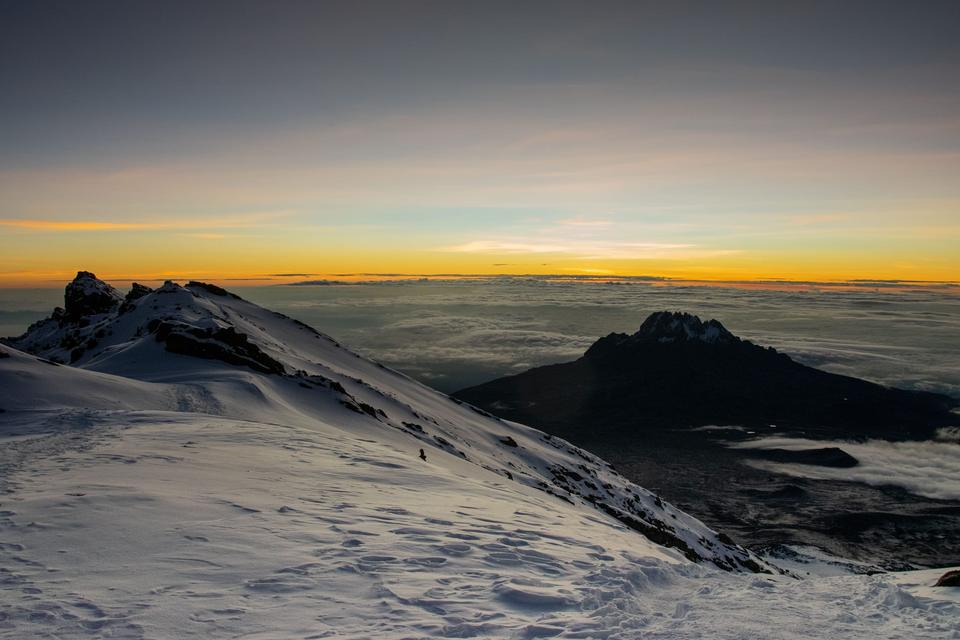
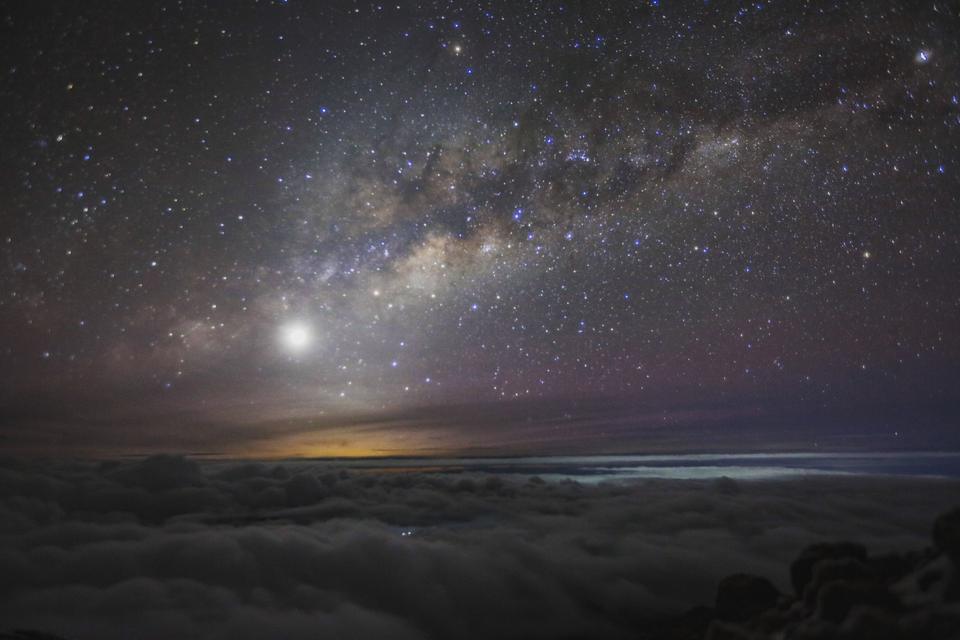
Your planning timeline: What to do, and when
Counted back from the day you start walking. Each step links to the guide that goes deeper.
Six months or more before
Decide when, where and how long
- Pick a season: late June to October and January to early March are dry, and the busiest.
- Choose a route with enough days: seven or eight give your body time to adjust.
- Set a budget: about $2,200–$3,500 per person for the climb, roughly $3,500–$5,500 with flights, tips, visa and insurance.
- A heart or lung condition, or altitude sickness on an earlier trip? See a doctor before you book.
In the guidesBest time to climbRoute finderCost & park feesAltitude sickness
Three to six months before
Book the climb
- Choose a licensed operator: ask what the crew are paid, how many porters come, and whether the guides check your oxygen level twice a day.
- For July to September, January, February and the Christmas holidays, book earlier: group departures fill up.
- Book flights to Kilimanjaro International Airport (JRO), landing a day or two before the climb starts.
- Take out travel insurance that covers trekking to 6,000 m and helicopter evacuation.
In the guidesTippingBest time to climbCost & park feesAltitude sickness
16 weeks before
Start training
- 16 weeks if you are starting from scratch, 12 if you already exercise, 8 if you already hike.
- Build up to one long hike a week: 8 h with 1,200 m of climbing and a 8 kg pack.
- Train the descent too: summit day and the day after go 4,035–4,255 m down.
In the guidesTraining plan
Six to eight weeks before
Health and gear
- See a travel clinic about vaccines, malaria tablets for the towns and the safari parks, and medicine for the altitude.
- Work through the packing list: buy or rent what you need, and walk your boots in.
In the guidesAltitude sicknessPacking list
In the last weeks
Papers and cash
- Apply for your e-visa online, and buy Tanzania’s compulsory visitor insurance ($44).
- Get US dollars printed in 2013 or later, clean and in small notes, for the crew’s tips.
- Ease off: about half your usual training in the last two weeks, and no long hikes in the final week.
In the guidesPacking listTippingTraining plan
On the mountain
Pole pole: slowly, slowly
- Walk slowly, and tell your guide early about a headache or nausea.
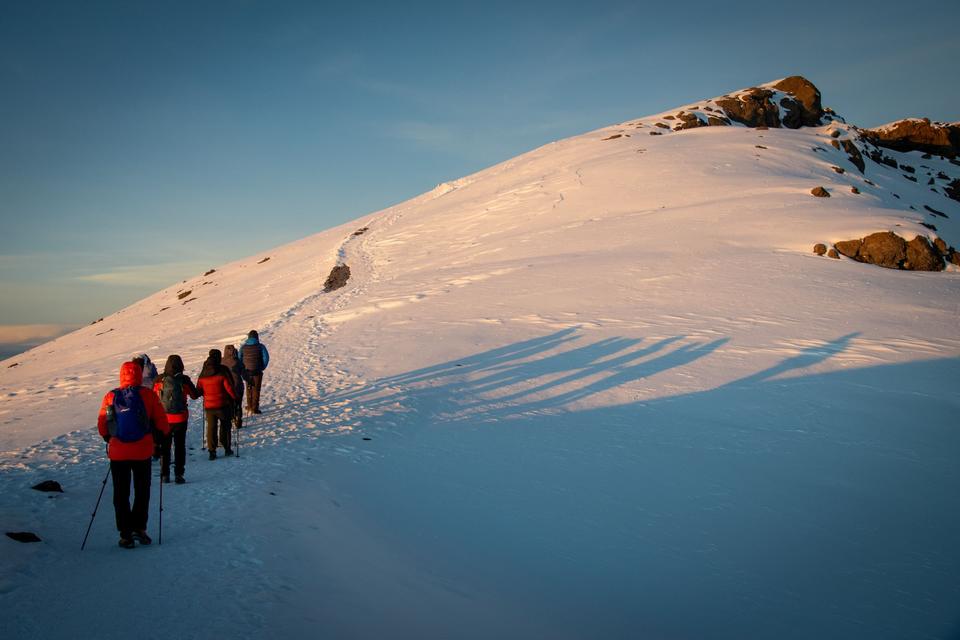
- Summit night starts around midnight, with about 1,200 m to climb by headlamp.
- On the last day, thank your crew at the farewell: about $330–$480 per climber when two of you climb.
In the guidesAltitude sicknessSummit nightTipping
Choose a route: The route shapes the rest of the plan
How many days you need, what you pay in park fees and where you sleep all follow from the route. Seven routes lead to the top, in 5 to 10 days.
Questions: Planning a climb, answered
How do I plan a Kilimanjaro climb?
Start with three choices: when to go, which route and how many days. Then set a budget and book a licensed operator, flights and travel insurance, usually three to six months ahead. Train for 8 to 16 weeks, see a travel clinic about two months before you fly, and in the last weeks get your visa, your gear and US dollars for the tips.
How far in advance should I book Kilimanjaro?
Many climbers book three to six months ahead. For the busiest dates, July to September, January and February, and climbs over Christmas and New Year, book earlier: group departures fill and flights rise. In the rainy months a few weeks can be enough, but leave yourself time to train.
Read more: Best time to climbCan I climb Kilimanjaro without a tour operator?
No. The park’s rules require a licensed guide for every climbing group, booked through a licensed tour operator, and solo trekking is not allowed. You can still climb on your own: most operators run private climbs for one person, or you can join a group departure.
Read more: FAQHow many days do I need to climb Kilimanjaro?
At least six days on the mountain, better seven or eight. Every extra day gives your body more time to adjust to the height and raises your chance of reaching the top. Add a day or two before the climb to arrive, rest and meet your guide.
Read more: RoutesHow much does a Kilimanjaro climb cost in total?
About $2,200–$3,500 per person with a reputable operator for seven or eight days, park fees included; the park fees alone come to about $956 for a seven-day climb. With flights, tips, a visa and insurance, most climbers spend roughly $3,500–$5,500 in total.
Read more: Cost & park feesWhat travel insurance do I need for Kilimanjaro?
A policy that covers trekking to 6,000 m and helicopter evacuation, which can cost $3,000–$10,000. Since October 1, 2026 every visitor to mainland Tanzania must also buy the government’s visitor insurance ($44 per adult), but it does not cover mountain rescue and does not replace your own.
Read more: FAQCan a beginner climb Kilimanjaro?
Yes. It is a trek, with no ropes or climbing skills, and ordinary, reasonably fit people reach the top every day. You should be able to walk six to eight hours on two days in a row with a light daypack. What decides most climbs is the altitude, so choose enough days and walk slowly.
Read more: How hard is it?
More for your climb
Sources
Updated
Each guide lists the sources behind its own figures. These are the rules and studies behind the figures on this page.
- Park rules and fees
- Mountains National Parks Regulations, GN 191 of 2003: licensed guides, porters’ loads, children under 10
- Tanzania National Parks: Kilimanjaro visitor guide (licensed operators, no solo trekking, drones)
- Tanzania National Parks: tariff 2026/27
- Travel and entry
- Tanzania Immigration: e-visa application guidelines
- GOV.UK: Tanzania entry requirements (visa, passport, inbound insurance)
- Clyde & Co (September 2026): Tanzania’s compulsory inbound travel insurance